
A Complete Guide to Power Generation: Methods, Equipment, and Industry Insights
Reliable industrial energy supply is essential for every sector — from manufacturing to oil & gas.
This guide explains how power generation works, the equipment involved, and how industries ensure steady and efficient electricity for operations.
Introduction
Modern industries depend on consistent and efficient energy systems. Whether it’s renewable sources or traditional thermal setups, understanding the fundamentals helps businesses plan better and choose the right equipment. Companies across the UAE and GCC rely on trusted partners like CM Trade for sourcing certified components and energy solutions.
Main Methods of Power Generation
1. Thermal Energy Production
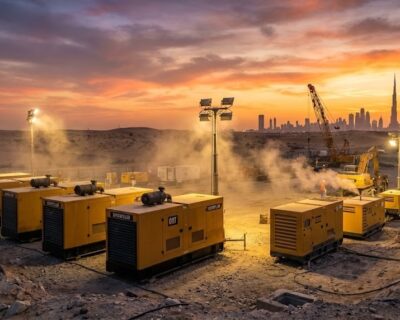
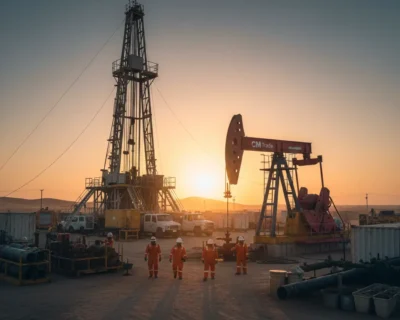
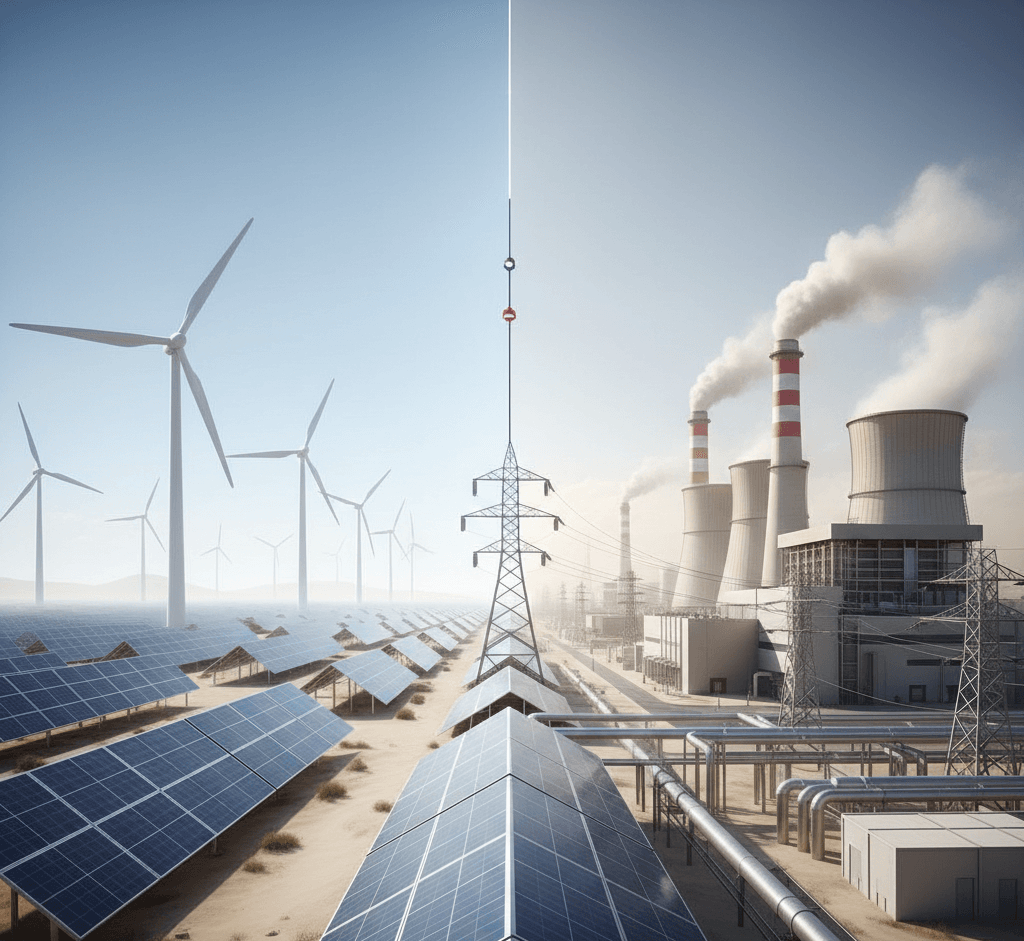
Thermal facilities use fuels like natural gas or oil to generate heat, which drives turbines. These plants remain common due to stable output and suitability for large industrial loads.
2. Renewable Energy Sources
Solar, wind, hydro and geothermal systems are rapidly growing. These sustainable methods reduce environmental impact and lower long-term operational costs.
3. Nuclear Energy
Nuclear plants offer high-capacity, continuous electricity production using controlled fission reactions. They contribute a significant share to many national grids globally.
4. Combined Cycle Plants
These advanced systems use both gas and steam turbines, allowing industries to maximize efficiency and reduce emissions. They are widely used in modern energy infrastructure.
Essential Equipment in the Power Sector
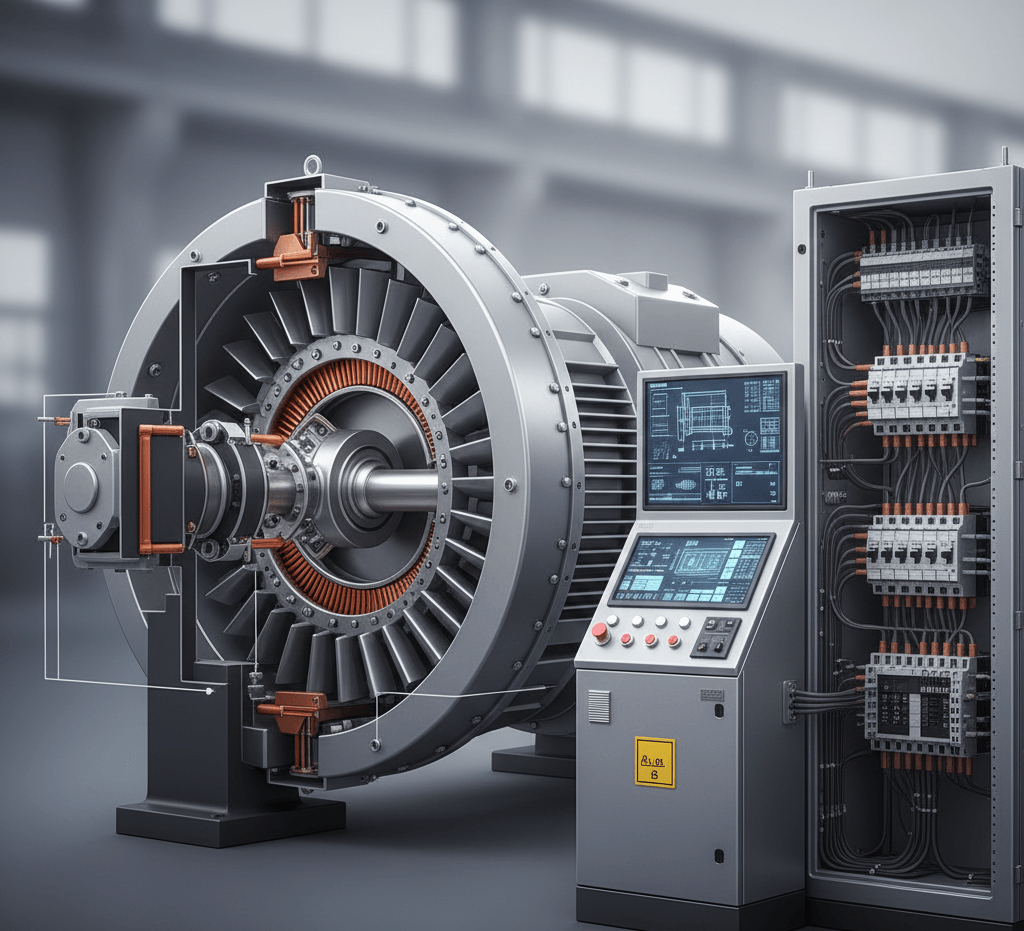
A reliable energy system requires precise and high-quality components. Commonly used equipment includes:
- Steam, gas, and hydro turbines
- Generators and alternators
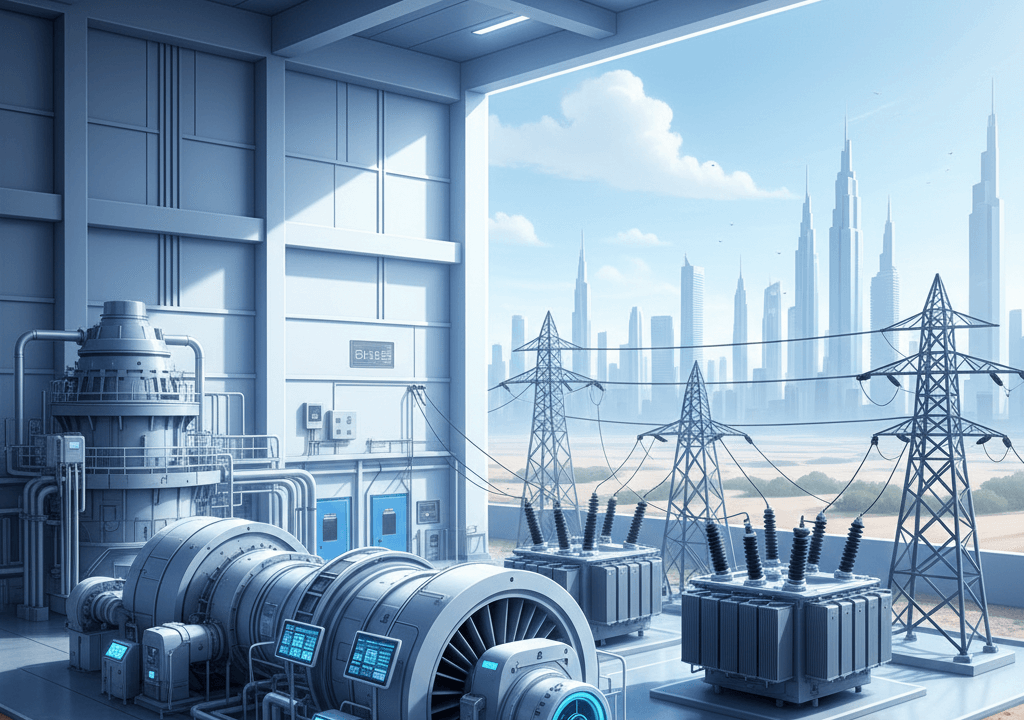
- Transformers, switchgear, and electrical panels
- Heat exchangers and boilers
- Pumps, motors, and compressors
- Instrumentation, monitoring, and control systems
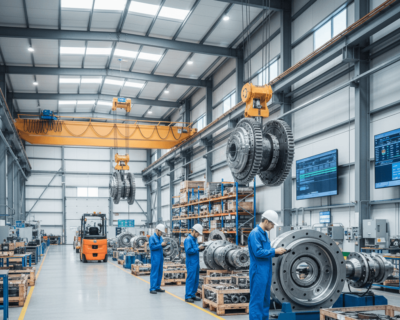
Industries often source these components through certified suppliers.
For example, CM Trade’s industrial procurement services provide equipment, OEM parts, and logistics support for major UAE projects.
Why Efficient Energy Production Matters
- Operational Stability: A smooth energy flow prevents downtime.
- Cost Savings: High-quality equipment reduces energy loss and maintenance expenses.
- Sustainability: Industries meet global environmental standards with cleaner solutions.
- Safety: Certified systems minimize operational risks.
Industry Insights & Current Trends
The energy sector is shifting toward digital monitoring, smart grids, and predictive maintenance. IoT-based systems improve data accuracy, while renewable integration continues to reshape global energy strategies.
For deeper insight into equipment sourcing and reliability, check out our related article on
industrial equipment procurement.
Conclusion
Modern power generation depends on advanced technology, high-quality components, and expert sourcing. By choosing reliable suppliers and integrating efficient energy solutions, industries can achieve long-term performance, stability, and cost control.
For UAE and GCC businesses, CM Trade provides trusted support in sourcing equipment, managing logistics, and supplying certified parts for energy projects.
FAQs
Q1: What is the most common source of energy production today?
Thermal and renewable sources remain the most widely used, depending on the region and industry.
Q2: Which equipment is essential for generating electricity?
Turbines, generators, transformers, boilers, and automation systems are the core components.
Q3: Can renewable systems support large industrial operations?
Yes. Modern solar and wind setups can be scaled for industrial use with proper planning.
Q4: How does CM Trade support energy projects?
They provide certified equipment, OEM parts, global sourcing, and logistics for power and industrial sectors.